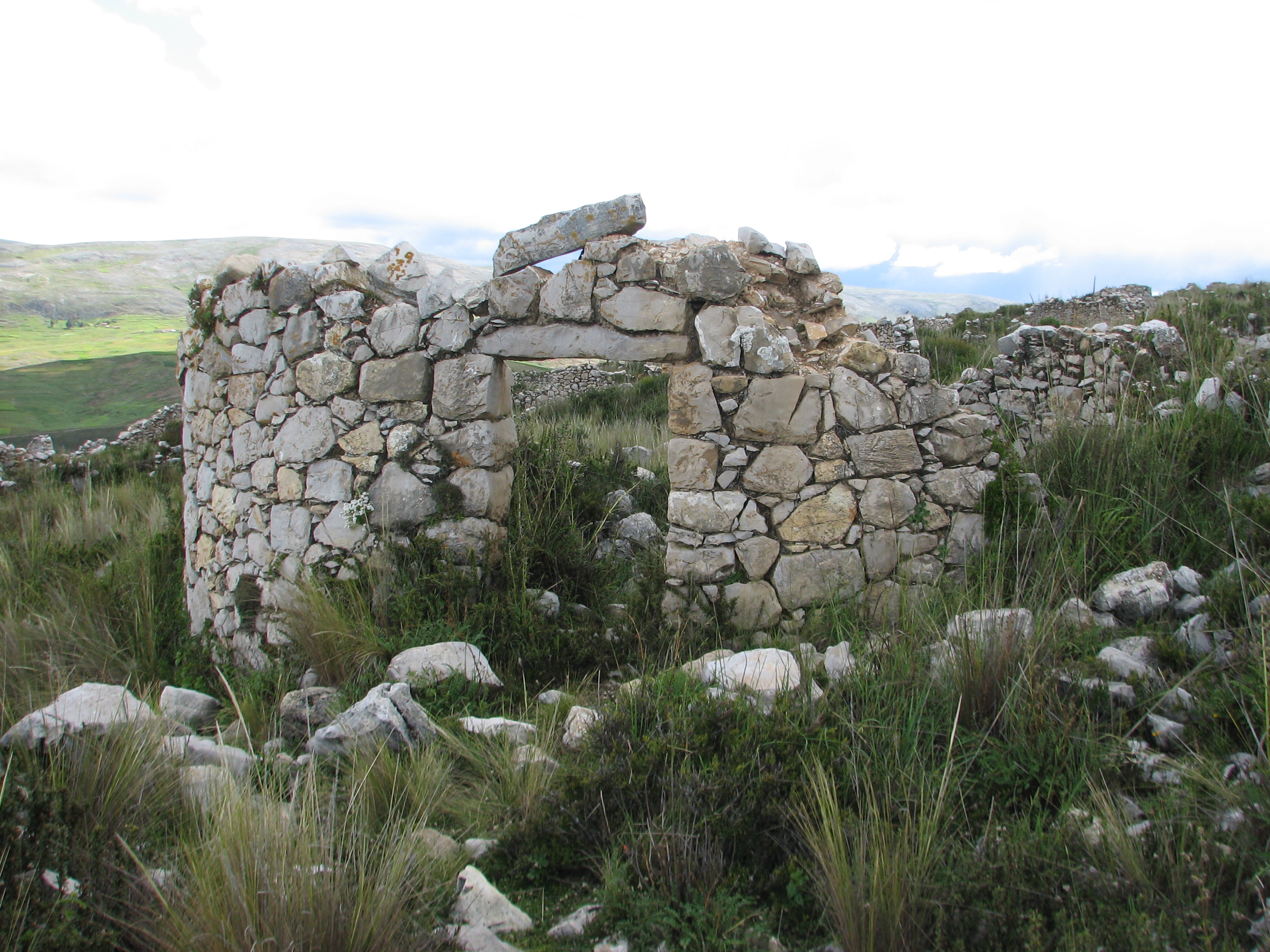
Tunanmarca Archaeological Site
Location
Tunan Marca District, Jauja
Age
1200-1460 AD
Best For
History & Archaeology
About Tunanmarca
Tunanmarca is one of Peru's most impressive archaeological sites and the former capital of the Huanca culture. The name comes from the Quechua words "Tunan" (high) and "Marca" (settlement), aptly describing this hilltop city that once housed thousands of inhabitants.
This pre-Incan site is considered one of the largest Late Intermediate Period settlements in Peru and one of the best-preserved archaeological sites in the Mantaro Valley. The site features over 3,000 circular stone buildings arranged in a fascinating pattern that showcases the advanced urban planning of the Huanca people.
Archaeological studies conducted in the late 1970s by a team from the University of California, led by Timothy K. Earle, have provided valuable insights into the daily life, social structure, and defensive strategies of this ancient civilization.
Historical Significance
The Huanca culture flourished in the Mantaro Valley from approximately 1200 to 1460 AD, during the Late Intermediate Period. Tunanmarca served as their principal stronghold and administrative center, positioned strategically on a hilltop for defensive purposes.
The site's importance is recognized nationally - it even appears on Peruvian currency. The circular stone structures, unique to the Huanca culture, demonstrate sophisticated construction techniques using local stone without mortar, a testament to their architectural expertise.
What to See
- •Over 3,000 circular stone dwellings arranged in organized clusters
- •Ancient storehouses with remarkably preserved stone masonry
- •Defensive walls and strategic positioning on the hilltop
- •Panoramic views of the Mantaro Valley and surrounding Andes
- •Examples of pre-Columbian urban planning and architecture
Photo Gallery
Storehouse. Photo by I, AgainErick, CC BY-SA 3.0 Link
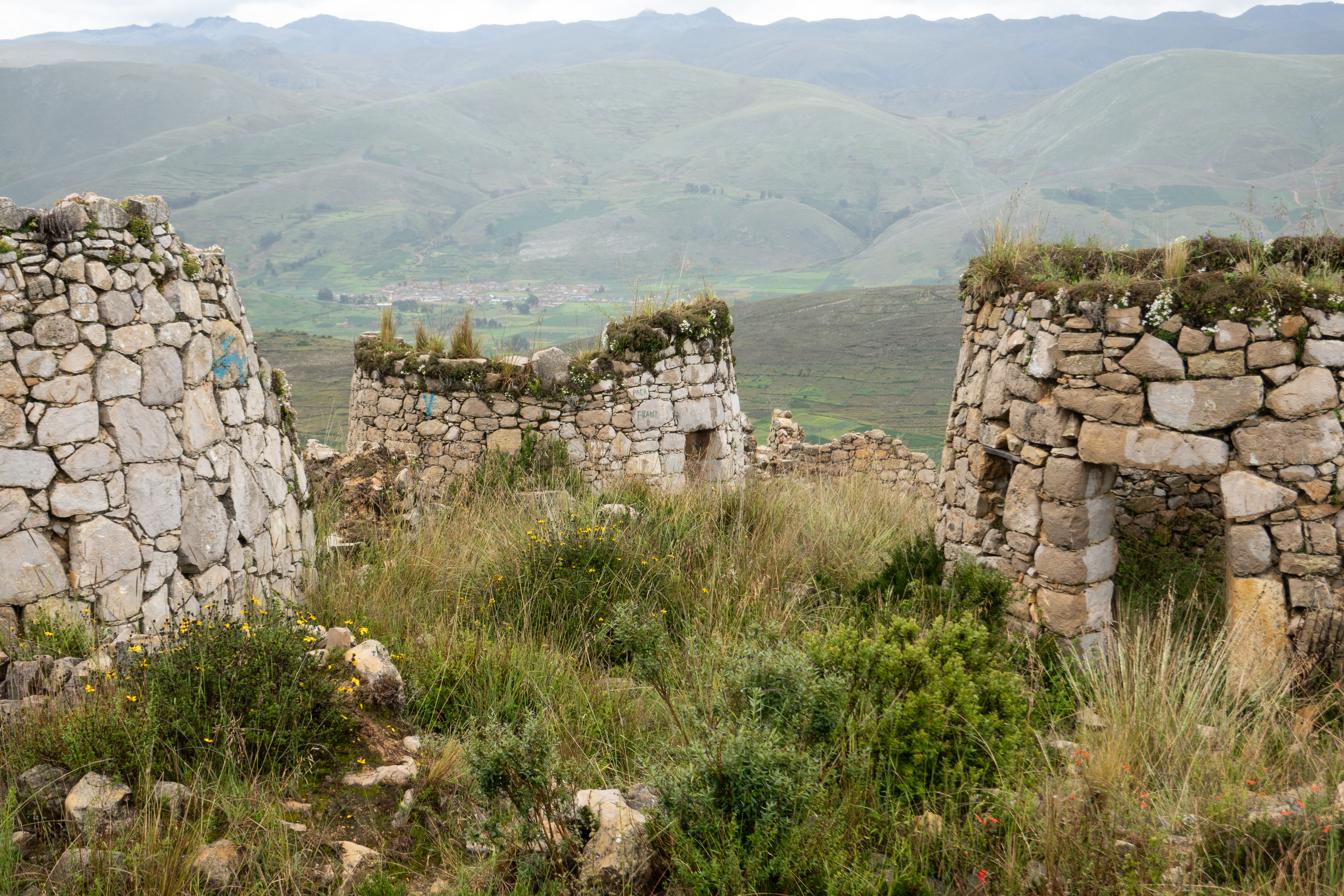
Storehouses. Photo by PsamatheM, CC BY-SA 4.0
Visitor Information
The site is located in the Tunan Marca District of Jauja Province. Visitors should wear comfortable walking shoes and bring sun protection, as the hilltop location offers little shade. The best time to visit is during the dry season (May to September) when the weather is clearer for photography and the paths are more accessible.
Local guides are available and highly recommended to fully appreciate the historical and cultural significance of the site. The walk through the ruins offers a unique glimpse into pre-Incan civilization and the sophisticated society that once thrived in the Mantaro Valley.